SHIELDed: Building safer, stronger, and more tolerant communities
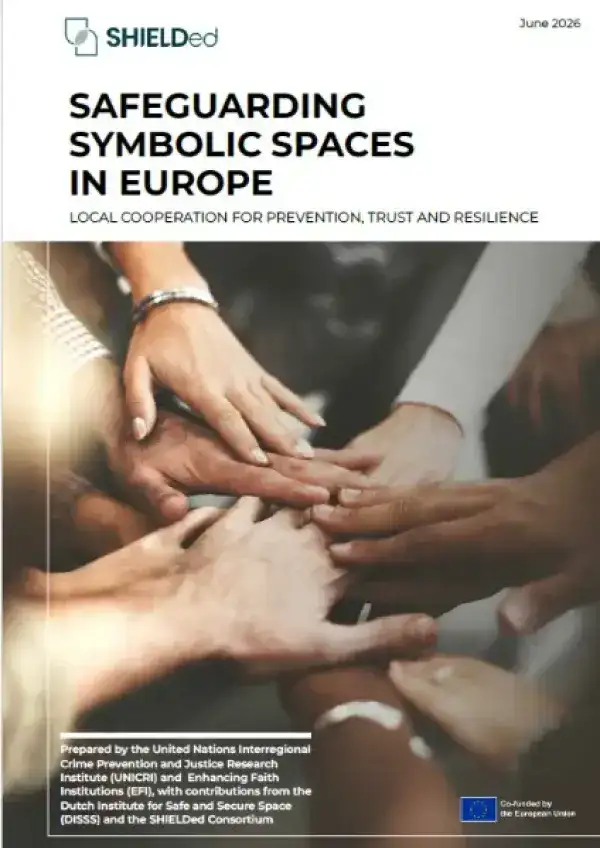
The SHIELDed project works to protect valuable, yet vulnerable, communities from hate-driven violence by addressing its root causes and reinforcing the values of respect, diversity, exchange, dialogue, and cooperation. Through collaboration across the security, civic, educational and religious sectors, we seek to enhance the protection of soft targets, safeguarding symbolic places of personal and religious development and freedom, while also promoting mindsets that mitigate extremism and division.
Its objectives are twofold:
Empower frontline professionals and local actors with knowledge and practical solutions
Engage wider communities through inclusive campaigns that inspire understanding and action.
SHIELDed emerged in response to a growing wave of hate speech, cultural intolerance, and violent extremism across Europe, intensified by international conflicts and the spread of disinformation.
In addition to prevention, SHIELDed places great emphasis on sustainability. The project is designed not as a temporary intervention, but as a long-term effort to embed resilience into the fabric of communities. By producing adaptable digital resources, training programmes, and awareness materials, we ensure that the knowledge and practices developed during the project remain accessible and relevant well beyond its formal conclusion.
Another key objective is to foster dialogue between diverse groups. SHIELDed promotes inclusive narratives that challenge polarisation and encourage mutual respect across cultural, religious, and social lines. By creating spaces for meaningful engagement and shared responsibility, we aim to reduce vulnerabilities and reinforce the foundations of a more cohesive and peaceful society.
SHIELDed emerged in response to a growing wave of hate speech, cultural intolerance, and violent extremism across Europe, intensified by international conflicts and the spread of disinformation.
What are soft targets?
Soft targets refer to locations, venues, or groups that remain openly accessible to the public and operate with minimal security, making them vulnerable to attacks, terrorism, or crime. The risk of violence is particularly high in places where modern conflict is apparent, such as churches, synagogues, and mosques. Soft target locations are mostly at risk for their welcoming environments.
In recent years, symbolic and vulnerable spaces such as schools, places of worship, and community centres have increasingly become targets for attacks motivated by prejudice and polarisation.
These sites are at the heart of community life and of personal and religious development, making their protection both a moral duty and a strategic necessity.
Reaching and involving communities that feel disconnected from institutional efforts presents another obstacle. Many individuals and groups affected by hate-driven violence may be reluctant to engage with official initiatives due to past experiences of marginalisation or exclusion. SHIELDed must therefore focus on creating communication that is inclusive, relatable, and grounded in everyday realities, encouraging wider participation and fostering a collective sense of responsibility.
Let’s build a shared culture of security, dialogue, and mutual respect
SHIELDed is built on a multi-stakeholder approach that empowers local communities to prevent, respond to, and recover from acts of religious and cultural hatred or violence. From promoting tolerance and interfaith dialogue to enhancing democratic literacy and resilience, this initiative represents a vital step toward a safer, more united Europe.
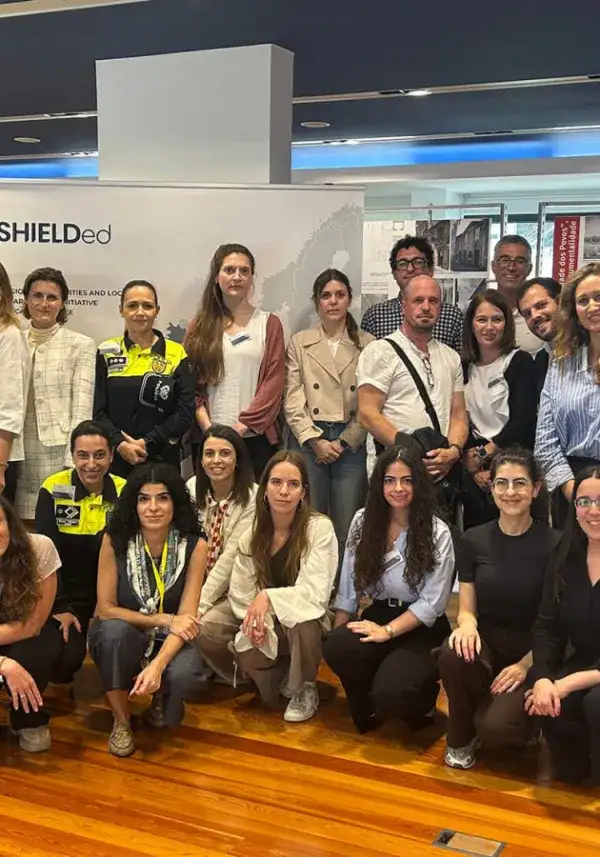
The project bring together 17 partner organisations from 10 European countries, marking the beginning of a coordinated, cross-sectoral journey. The partner organizations of the project are: Association Les Militants des Savoirs (MDS); Blue Line; Dutch Institute for Safe & Secure Spaces (DISSS); Enhancing Faith Institutions (EFI); Euro-Arab Foundation for Higher Studies (FUNDEA); German Council on Preventing Extremism (BAG RelEx); Innovative Prison Systems (IPS); ITTI; i-unito; Lisbon Municipal Police; Madrid Municipal Police; Plus Ethics; Polish Platform for Homeland Security (PPHS); Salzburg University of Applied Sciences (SUAS); United Nations Interregional Crime and Justice Research Institute (UNICRI); UNITED for Intercultural Action; and University of Public Administration in Bavaria.
Long-term sustainability remains an ongoing challenge. While the project is scheduled to run for three years, its ambitions go far beyond this timeframe. The real test lies in ensuring that the tools, values, and practices developed through SHIELDed continue to have impact long after its conclusion.
This requires participatory and tailored designs, continuous engagement, and the creation of lasting digital and community-based resources.