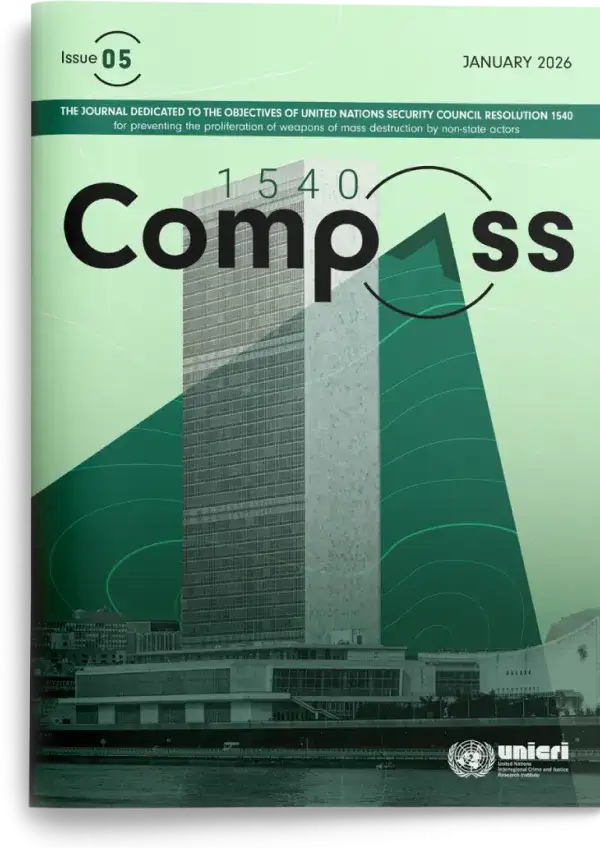
Explore our latest publications to gain insights into UNICRI’s initiatives, research, and efforts in promoting justice, crime prevention, security, and human rights worldwide.
UNICRI’s publications offer insights from cutting-edge research, tailored to global and context-specific needs, providing evidence-based analysis to inform policymaking and build advanced capacities. Addressing topics such as violent extremism, organised crime, cybersecurity, CBRN risk mitigation, artificial intelligence, environmental crimes, gender issues, disinformation, illicit financial flows, and justice reform, these studies foster collaboration and advance sustainable solutions for peace, equality, and development. Explore our collection to stay informed and inspired. Through our publications, we aim to deepen knowledge, foster collaboration, and drive forward sustainable solutions that promote justice, peace, security, accountability, equality, and development. Whether you are a policymaker, researcher, or practitioner, UNICRI’s publications serve as a trusted resource to inspire informed action and meaningful impact. Explore our collection to stay at the forefront of global and local security challenges.
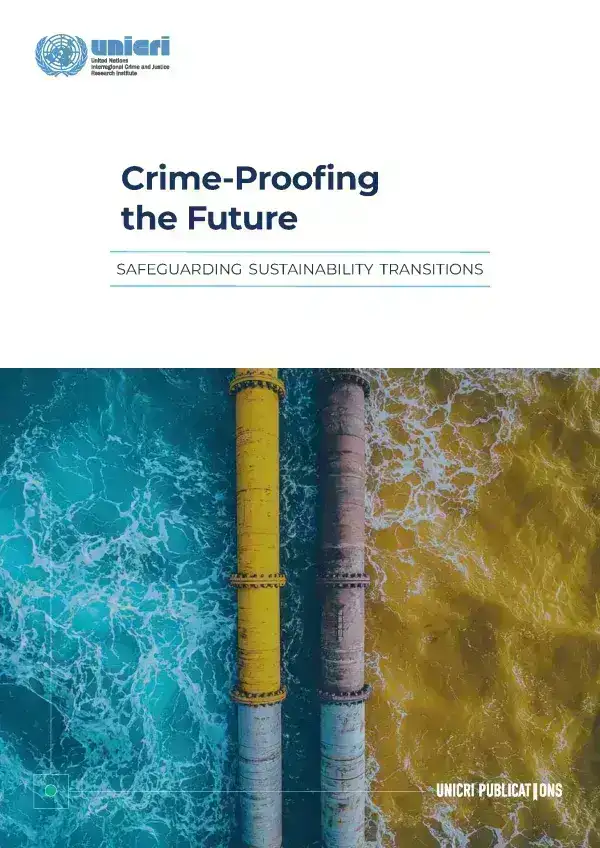
Sustainability transitions are essential to addressing climate change, environmental degradation and long-term development challenges. At the same time, the expansion of transition-related investments, regulations, infrastructure and markets can increase exposure to criminal exploitation, including corruption, fraud, illicit trade, theft, sabotage and regulatory circumvention.
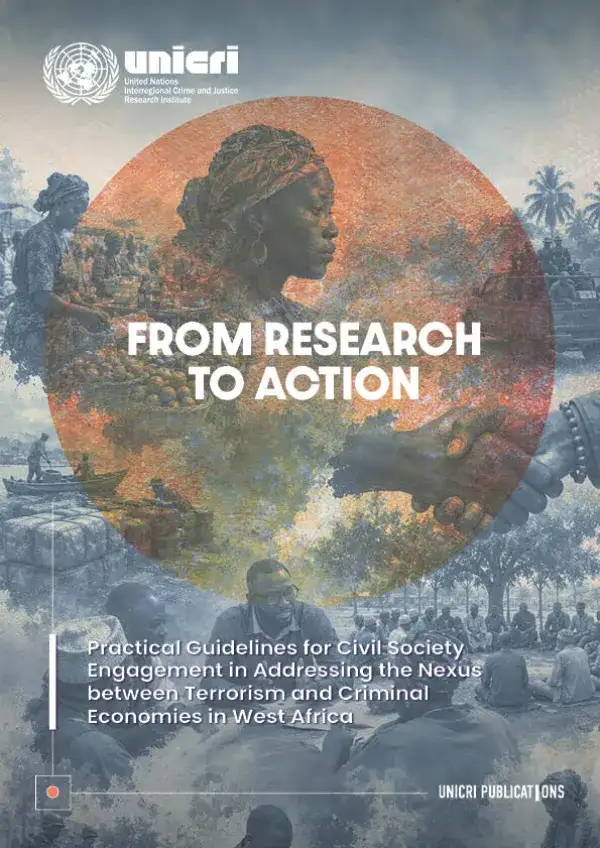
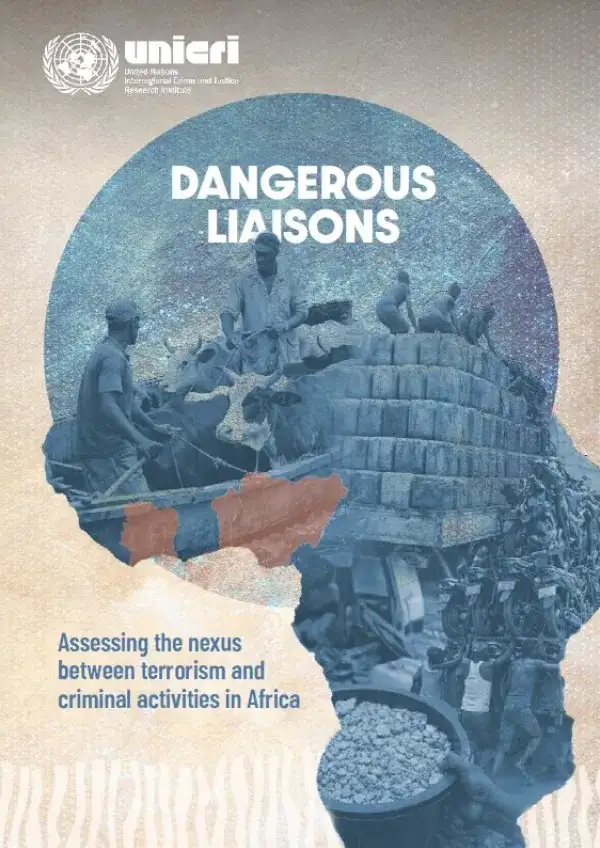
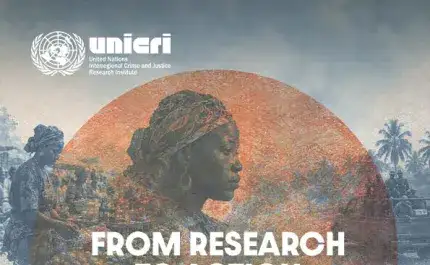
Communities across West Africa are increasingly affected by the complex interactions between terrorism, crime and illicit economies. These dynamics often intersect with governance challenges, socio-economic vulnerabilities, informal livelihood systems and local conflict dynamics, creating challenging operating environments for civil society organizations (CSOs) engaged in prevention, peacebuilding and community resilience.
Sustainability transitions are essential to addressing climate change, environmental degradation and long-term development challenges. At the same time, the expansion of transition-related investments, regulations, infrastructure and markets can increase exposure to criminal exploitation, including corruption, fraud, illicit trade, theft, sabotage and regulatory circumvention.
Communities across West Africa are increasingly affected by the complex interactions between terrorism, crime and illicit economies. These dynamics often intersect with governance challenges, socio-economic vulnerabilities, informal livelihood systems and local conflict dynamics, creating challenging operating environments for civil society organizations (CSOs) engaged in prevention, peacebuilding and community resilience.
Sustainability transitions are essential to addressing climate change, environmental degradation and long-term development challenges. At the same time, the expansion of transition-related investments, regulations, infrastructure and markets can increase exposure to criminal exploitation, including corruption, fraud, illicit trade, theft, sabotage and regulatory circumvention.
Communities across West Africa are increasingly affected by the complex interactions between terrorism, crime and illicit economies. These dynamics often intersect with governance challenges, socio-economic vulnerabilities, informal livelihood systems and local conflict dynamics, creating challenging operating environments for civil society organizations (CSOs) engaged in prevention, peacebuilding and community resilience.
Sustainability transitions are essential to addressing climate change, environmental degradation and long-term development challenges. At the same time, the expansion of transition-related investments, regulations, infrastructure and markets can increase exposure to criminal exploitation, including corruption, fraud, illicit trade, theft, sabotage and regulatory circumvention.
Communities across West Africa are increasingly affected by the complex interactions between terrorism, crime and illicit economies. These dynamics often intersect with governance challenges, socio-economic vulnerabilities, informal livelihood systems and local conflict dynamics, creating challenging operating environments for civil society organizations (CSOs) engaged in prevention, peacebuilding and community resilience.